
How to Mine Lither — A complete Beginner’s Guide

Introduction:


With the rise of blockchain technology, cryptocurrencies have gained immense popularity. One such cryptocurrency is Lither, which can be mined using the Lither app. In this guide, we will walk you through the simple steps to start mining Lither and earning rewards.

Step 1: Open link https://app.lither.com into your web browser (Chrome) or mobile browser.

Join Now! Lither Miner

Step 2: Read Onscreen instructions very carefully. Click the 3 dots on the top right corner and Install the application.

Join Now! Lither Miner

Step 3: Opening the App


Once you’ve accessed the App,. This will redirect you to the app interface where you can start your mining process. Sign up your account .

Join Now! Lither Miner

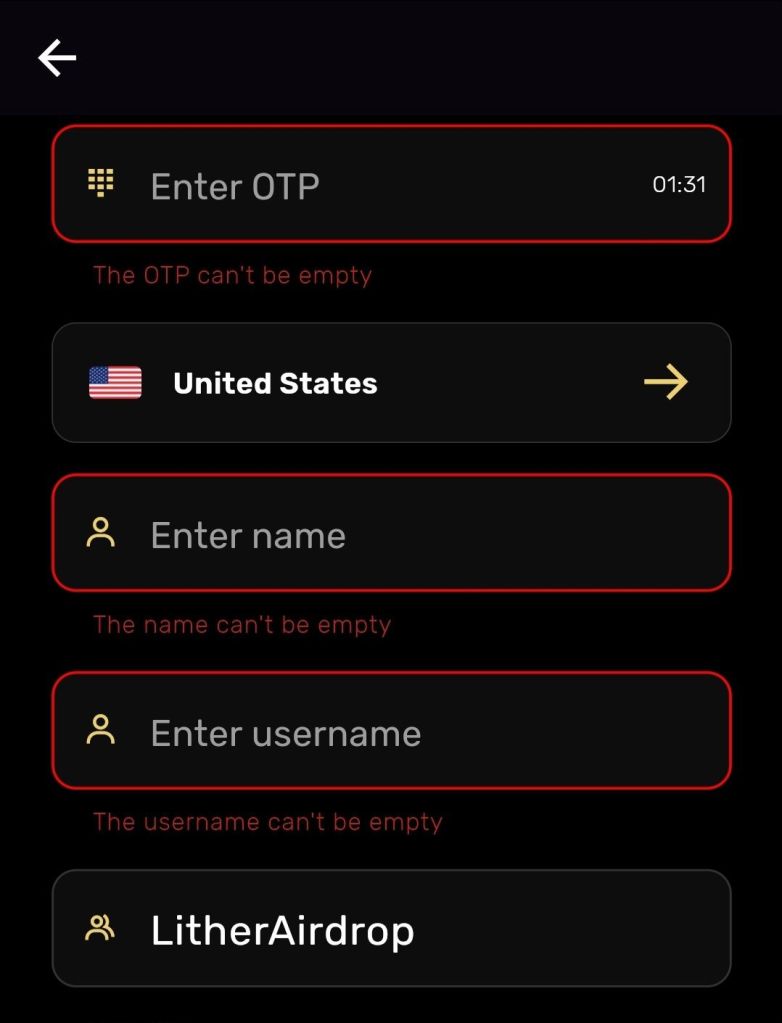
Step 4: Adding Referral Code


Enter Email Id and enter the OTP, you will be prompted to enter a referral code. To proceed, input the referral code “LitherAirdrop” in the designated field.
Join Now! Lither Miner

Step 5: Initiating Lither Mining


After adding the referral code, navigate to the mining section of the app. Here, you will find an option labeled “Tap to mine”. Click on this option to initiate the mining process.

Join Now! Lither Miner

Step 6: Earning Lither Rewards


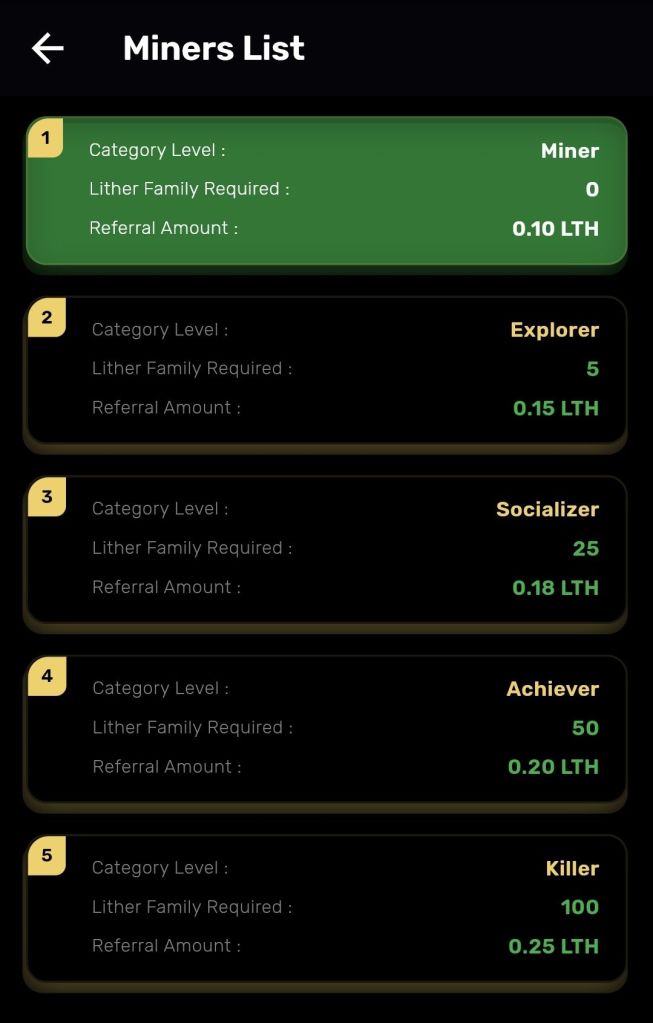
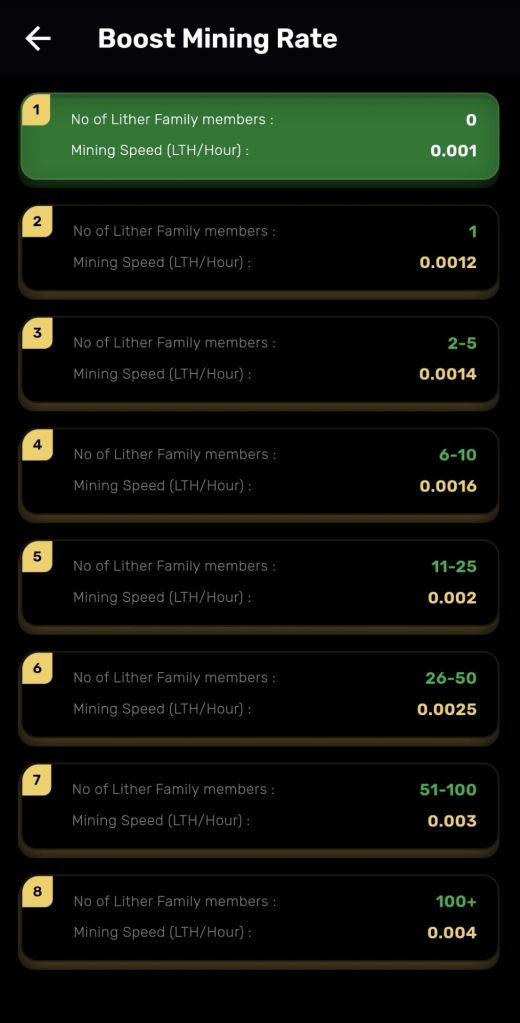
Once you’ve tapped to mine Lither, you will receive 2 Lither as a reward. Keep in mind that the more you mine, the higher your rewards will be. Share this guide with your friends and get more rewards with your referrals.
Step 7: Monitoring Your Progress


To track your mining progress and earnings, the Lither app provides you with a dashboard where you can view your accumulated Lither rewards, mining history, and other relevant information.

Conclusion:


Mining Lither on the Lither app is a simple and rewarding process. By following the steps outlined in this guide, you can easily start mining Lither and earn rewards. So, don’t wait any longer — dive into the world of cryptocurrency mining with Lither today!


🌟 Exciting Opportunity Alert! 🌟

Are you ready to take control of your financial future? Look no further than Robinhood – the ultimate platform for building wealth, investing in stocks, options, ETFs, and crypto, all with zero commission fees! Join Robinhood!



Claim Your Free Airdrop: Start Mining with Lither Miner Today!

Join now! Lither Miner

In the fast-evolving domain of blockchain technology, Lither Blockchain emerges as a pioneering platform seamlessly merging GameFi, DeFi, and Real World Assets (RWA), reshaping the convergence of digital and physical assets within decentralized ecosystems, and setting new standards for security, efficiency, and user interaction.

As of February 2024, the cryptocurrency market has experienced unprecedented growth, with over 300 million users globally owning digital currencies, and the market cap exceeding 2 trillion USD. In Europe, the Cryptocurrency Exchanges market is projected to reach $13.84 billion by 2026, highlighting the region’s keen interest in crypto initiatives.

The soaring global blockchain market, expected to reach $17.27 billion by 2024 and $51.50 billion by 2026, underscores its unstoppable momentum. B2B cross-border transactions executed on blockchain are forecasted to hit 745 million by 2025, showcasing its transformative impact on global transactions.

Lither’s Mission

At the heart of Lither’s mission lies the utilization of advanced blockchain technology to redefine payments, gaming, and virtual experiences, with a focus on user-friendly solutions, innovation, inclusivity, and community-driven growth, empowering developers, businesses, and users alike to unlock new opportunities in the digital realm.

Lither’s Vision


Lither envisions a future where decentralized solutions empower individuals, businesses, and communities worldwide, fostering an inclusive and innovative ecosystem that revolutionizes traditional financial systems while promoting a community united by transparency, security, and accessibility.

Lither’s Layer 2 Solution


Acknowledging the challenges of blockchain technology, Lither is actively developing its Layer 2 blockchain, offering enhanced scalability, reduced costs, eco-friendly practices, versatile smart contracts, and interoperability with various Layer 1 blockchains, representing a significant advancement for Lither Blockchain.

Strategic Focus on GameFi, DeFi, and RWA Tokenization


Lither strategically revolves its blockchain around GameFi, DeFi, and RWA Tokenization, addressing distinct yet interconnected facets of the digital economy. The mining process for Lither coin is accessible through the Lither Mine Application, fostering community growth and sustainability.

Amidst the ongoing surge in the global blockchain market, Lither Blockchain is poised to make a lasting impact on cryptocurrency history, with a mission to redefine the digital landscape and a vision for an inclusive and innovative future, pioneering transformative advancements in blockchain technology.

Mine Lither Now!


Join now! Click the link: Lither Miner (https://app.lither.com/#/register) and use the referral code “LitherAirdrop” for an assured Airdrop! There will be only 10M Lithers to mine for free and can be mined through your smartphone. Get your shares before they run out

Join now! Lither Miner

Strategies to Trim Expenses and Master Your Budget

In today’s dynamic financial landscape, mastering the art of budgeting is crucial to maintaining financial stability and achieving your long-term goals. By adopting effective expense-cutting strategies, you can not only stay within your budget but also create room for saving and investing. In this article, we will explore practical and actionable strategies to help you trim expenses and stay on top of your financial game.

1. Track Your Spending

The first step towards cutting down expenses is awareness. Track your spending meticulously for a month or two. This will give you insights into where your money is going and identify areas where you can cut back.

2. Create a Detailed Budget

Based on your spending analysis, create a detailed budget that allocates funds to essential categories like housing, utilities, groceries, transportation, and discretionary spending. Be realistic but also firm in sticking to the limits you set.

3. Prioritize Needs Over Wants

Distinguish between needs and wants. Prioritize spending on essential needs before indulging in discretionary wants. This simple mindset shift can help you make conscious spending choices.

4. Embrace Frugality

Practicing frugality doesn’t mean sacrificing everything you enjoy. Look for cost-effective alternatives without compromising your quality of life. For instance, opt for homemade meals, explore thrift stores, and cut down on subscription services.

5. Negotiate Bills

Negotiating bills, such as cable, internet, or insurance premiums, can yield significant savings. Call providers and inquire about available discounts or better plans. Loyalty doesn’t always pay off in these cases.

6. Cut Unnecessary Subscriptions

Review your subscription services, from streaming platforms to magazines. Keep only the ones you genuinely use and cancel the rest. These small recurring expenses can add up over time.

7. Meal Planning

Plan your meals for the week and create a shopping list accordingly. This prevents impulsive purchases and reduces food wastage.

8. Reduce Energy Consumption

Simple actions like turning off lights, unplugging devices, and using energy-efficient appliances can lower your utility bills.

9. Use Cash Back and Rewards Programs

Take advantage of cash back and rewards programs offered by credit cards. Use these benefits for purchases you’d make anyway to get some extra savings.

10. Automate Savings

Set up automatic transfers to your savings account as soon as you receive your paycheck. Treating savings as a non-negotiable expense ensures you’re consistently building your financial cushion.

11. DIY and Learn New Skills

Learn to do things yourself, whether it’s basic home repairs, gardening, or cooking. These skills can save you money and add value to your life.

12. Refinance Debts

If you have high-interest debts, consider refinancing options. Lower interest rates can significantly reduce the total amount you pay over time.

13. Buy Used or Borrow

Before making a purchase, explore buying used items or borrowing from friends and family. This can be especially useful for items you’ll only use occasionally.

14. Set No-Spend Days or Weeks

Challenge yourself to have days or even a week where you don’t spend any money. Use what you already have and get creative with free activities.

15. Review Insurance Policies

Periodically review your insurance policies to ensure you’re getting the best coverage at the best price.

Conclusion

Mastering your budget is an ongoing process that requires discipline and a willingness to make conscious choices about how you spend your money. By implementing these strategies, you’ll not only cut down on unnecessary expenses but also build a solid foundation for financial freedom and future success. Remember, every small change you make adds up over time, bringing you closer to your financial goals.

Crypto for Beginners: A Simple Guide to Understand and Invest in Cryptocurrencies

Cryptocurrencies are digital assets that use cryptography to secure transactions and control the creation of new units. They are powered by decentralized networks of computers that follow a set of rules or protocols. Unlike traditional currencies, cryptocurrencies are not issued or controlled by any central authority, such as a government or a bank.

Cryptocurrencies have many advantages over traditional currencies, such as:

  • Transparency: All transactions are recorded on a public ledger called the blockchain, which anyone can access and verify.
  • Security: Transactions are encrypted and verified by the network, making them resistant to fraud, censorship, and interference.
  • Efficiency: Transactions are fast, cheap, and global, as they do not rely on intermediaries or intermediaries.
  • Innovation: Cryptocurrencies enable new business models, services, and applications that were not possible before.

However, cryptocurrencies also have some challenges and risks, such as:

  • Volatility: The prices of cryptocurrencies can fluctuate significantly in a short period of time, due to supply and demand, market sentiment, news, regulations, and other factors.
  • Complexity: Cryptocurrencies involve technical concepts and jargon that may be difficult to understand for beginners.
  • Regulation: The legal status and treatment of cryptocurrencies vary across countries and jurisdictions, and may change over time.
  • Scams: There are many fraudulent schemes and malicious actors in the cryptocurrency space that may try to deceive or exploit unsuspecting users.

Therefore, before investing in cryptocurrencies, it is important to do your own research, understand the basics, and be aware of the potential benefits and risks.

How to Start Investing in Cryptocurrencies

If you are interested in investing in cryptocurrencies, here are some steps you can follow:

  1. Choose a cryptocurrency: There are thousands of cryptocurrencies in existence, each with its own features, functions, and goals. Some of the most popular ones include Bitcoin (BTC), Ethereum (ETH), Binance Coin (BNB), Cardano (ADA), and Litecoin (LTC). You can learn more about each cryptocurrency by visiting its official website, reading its whitepaper, following its social media accounts, and checking its price history and performance.
  2. Choose a platform: To buy and sell cryptocurrencies, you need to use a platform that connects you to the cryptocurrency market. There are two main types of platforms: exchanges and brokers. Exchanges are online platforms that allow you to trade cryptocurrencies with other users at market prices. Brokers are online platforms that allow you to buy and sell cryptocurrencies at fixed prices set by the platform. Some examples of exchanges are Binance², Coinbase¹, and Kraken. Some examples of brokers are eToro, Robinhood, and Gemini.
  3. Choose a wallet: To store and manage your cryptocurrencies, you need to use a wallet that supports the cryptocurrency you want to invest in. A wallet is a software or hardware device that generates and stores your private keys, which are needed to access your funds on the blockchain. There are two main types of wallets: hot wallets and cold wallets. Hot wallets are online wallets that are connected to the internet, such as web wallets, mobile wallets, and desktop wallets. Cold wallets are offline wallets that are not connected to the internet, such as paper wallets, hardware wallets, and USB drives.
  4. Choose a strategy: To make the most out of your investment, you need to have a clear goal and a plan on how to achieve it. There are different strategies you can adopt depending on your risk appetite, time horizon, and expected returns. Some of the most common strategies are:
  • Buy and hold: This strategy involves buying a cryptocurrency and holding it for a long period of time (years or even decades), regardless of short-term price fluctuations. This strategy is based on the assumption that the cryptocurrency will increase in value over time due to its fundamentals, adoption, and innovation.
  • Dollar-cost averaging: This strategy involves buying a fixed amount of a cryptocurrency at regular intervals (such as weekly or monthly), regardless of the current price. This strategy aims to reduce the impact of volatility and average out the cost of entry over time.
  • Trading: This strategy involves buying and selling cryptocurrencies frequently (such as daily or hourly), based on technical analysis, market trends, news events, and other signals. This strategy aims to generate profits from short-term price movements.

Conclusion

Cryptocurrencies are an exciting and innovative asset class that offer many opportunities for investors who are willing to learn and take risks. However, they also come with many challenges and uncertainties that require careful research and due diligence. If you are interested in investing in cryptocurrencies, make sure you understand the basics, choose a suitable platform, wallet, and strategy, and always invest responsibly.

¹: Crypto basics – Coinbase
²: A Complete Guide to Cryptocurrency Trading for Beginners | Binance Academy
³: Beginner’s Guide | CryptoCurrency.org
: Cryptocurrencies on eToro
: Cryptocurrency Investing | Robinhood
: Gemini: Cryptocurrency Exchange to Buy Bitcoin and Ether

(1) A Complete Guide to Cryptocurrency Trading for Beginners. https://academy.binance.com/en/articles/a-complete-guide-to-cryptocurrency-trading-for-beginners.
(2) Crypto basics – Coinbase. https://www.coinbase.com/learn/crypto-basics.
(3) Beginner’s Guide | CryptoCurrency.org. https://cryptocurrency.org/beginners-guide.

The Untold Stories of America’s Wealthiest Families: Triumphs, Strategies, and Generational Legacy

In the tapestry of the United States’ economic landscape, a select few families have woven their stories with threads of ambition, innovation, and a knack for turning opportunities into generational wealth. These families have transcended time, often originating from humble beginnings to shape industries, influence policies, and redefine the concept of prosperity. Join us on a journey through the annals of the wealthiest families in the United States as we unveil their histories, net worth, strategic insights, businesses, and the torches they’ve passed to the next generations.

The Walton Family: Pioneers of Retail Royalty

History: The legacy of the Walton family began with Sam Walton’s humble 5 and 10 cent store in Bentonville, Arkansas. The inception of Walmart in 1962 laid the foundation for the retail giant that would redefine convenience and affordability.

Net Worth: With an estimated net worth of over $247 billion, the Walton family holds a commanding position on Forbes’ list of the wealthiest families.

Generational Strategy: The Walton family’s success is attributed to their focus on cost efficiency, innovative supply chain management, and the relentless pursuit of customer satisfaction. This focus on values led to the expansion of the Walmart brand globally.

Businesses: Walmart, Sam’s Club, and Walmart International are just a few feathers in the Walton family’s cap. Their strategic diversification across retail and investments has cemented their financial legacy.

The Koch Family: Energy Titans and Political Players

History: The legacy of the Koch family traces back to Fred C. Koch’s invention of a revolutionary refining process in the 1920s. The Koch Industries conglomerate was founded on these principles and has evolved to dominate the energy sector.

Net Worth: With an estimated net worth exceeding $100 billion, the Koch family’s industrial ventures have yielded substantial wealth.

Generational Strategy: The Koch family’s commitment to libertarian ideals and limited government influence is seen not only in their business but also in their political activism.

Businesses: Koch Industries’ reach extends across diverse sectors, including oil, gas, chemicals, and more, securing their status as key players in the energy industry.

The Mars Family: Satisfying Sweet Tooth and Global Palates

History: The Mars family’s journey to prosperity began with Frank C. Mars’ creation of the Milky Way bar in the early 20th century. His son, Forrest Mars, further revolutionized the confectionery industry with the invention of M&M’s.

Net Worth: The Mars family boasts an estimated net worth of around $120 billion, with their confectionery empire as the sweet source of their wealth.

Generational Strategy: The Mars family’s commitment to innovation and quality has enabled them to maintain their position as confectionery giants through the ages.

Businesses: Mars, Incorporated has expanded far beyond its candy origins, embracing pet care, food, and other segments, cementing its legacy in households worldwide.

The Rockefeller Family: Shaping Industries and Philanthropy

History: The Rockefeller family’s name is synonymous with wealth and influence. John D. Rockefeller’s pioneering efforts in the oil industry led to the establishment of Standard Oil, which dominated the sector.

Net Worth: The Rockefeller family’s net worth is estimated at several billion dollars, with their legacy lying in both business and philanthropic endeavors.

Generational Strategy: The Rockefeller family’s wealth management strategies have paved the way for impactful philanthropy, driving advancements in healthcare, education, and social welfare.

Businesses: While the Standard Oil monopoly was dismantled, it laid the groundwork for a variety of successful enterprises, including banking, real estate, and venture capital.

The Ellison Family: Tech Titans and Innovation Leaders

History: Larry Ellison, founder of Oracle Corporation, embarked on a path that would revolutionize the tech industry and redefine how we interact with data.

Net Worth: With an estimated net worth surpassing $100 billion, Larry Ellison’s leadership in the tech realm has translated into substantial wealth.

Generational Strategy: The Ellison family’s focus on innovation and cutting-edge technology has enabled them to stay at the forefront of a rapidly evolving industry.

Businesses: Oracle’s pioneering technologies have led the way in database management and cloud computing, securing their status as tech powerhouses.

From retail empires to technological advancements, the stories of these families offer insights into the intricate tapestry of American wealth accumulation and preservation. Their strategies, values, and foresight have enabled them to transcend generations and solidify their legacies as trailblazers, business moguls, and philanthropists. As new generations take the reins, they continue to navigate the complexities of maintaining and growing their family fortunes, ensuring a lasting impact on industries, communities, and the nation at large.

The Power of Compound Interest: How to Make Your Money Work for You

When it comes to building wealth, one of the most powerful tools at your disposal is compound interest. Understanding how compound interest works and harnessing its potential can significantly impact your financial journey. In this article, we’ll dive into the concept of compound interest, explore its benefits, and provide practical tips on how to make your money work for you through this remarkable phenomenon.

What is Compound Interest?

Compound interest is the interest calculated on the initial principal amount, as well as on the accumulated interest from previous periods. In simpler terms, it means earning interest on your interest. As you reinvest your earnings, your money has the potential to grow exponentially over time.

The Benefits of Compound Interest:

  1. Accelerated Growth: Compound interest has a compounding effect, meaning your money grows at an increasing rate. Over time, even small contributions can turn into substantial amounts.
  2. Time Is Your Ally: Compound interest rewards those who start investing early. The longer your money has to compound, the greater the potential returns.
  3. Passive Income Generation: With compound interest, your investments can generate passive income without requiring additional effort on your part. You can let your money work for you.

Tips for Harnessing Compound Interest:

  1. Start Early: The sooner you begin investing, the more time your investments have to grow. Even small amounts can make a significant impact when compounded over several decades.
  2. Be Consistent: Regularly contribute to your investments. Consistency in saving and investing allows compound interest to work its magic consistently.
  3. Maximize Retirement Accounts: Contribute the maximum amount allowed to retirement accounts such as 401(k)s or IRAs. These tax-advantaged accounts offer an ideal environment for compound interest to flourish.
  4. Diversify Your Investments: Spread your investments across a variety of assets to reduce risk and maximize potential returns. A well-diversified portfolio can optimize the power of compound interest.
  5. Reinvest Dividends and Interest: Instead of withdrawing dividends or interest earned, reinvest them. This will compound your returns and contribute to accelerated growth.
  6. Stay Invested for the Long Term: Compound interest thrives over long periods. Resist the temptation to make frequent trades or panic during market fluctuations. Stay focused on the long-term goals of wealth accumulation.

Conclusion:

Compound interest is a formidable force that can transform your financial future. By understanding its mechanics and making it a cornerstone of your financial strategy, you can set yourself on a path to financial freedom. Start early, remain consistent, and leverage the power of compounding to make your money work for you. Remember, time is your greatest ally in harnessing the full potential of compound interest. Embrace it, stay focused, and watch your wealth grow steadily over time.

Top 10 Savings Strategies: Building a Strong Financial Foundation

Building a strong financial foundation begins with cultivating effective savings strategies. Saving money not only provides a safety net for emergencies but also paves the way for financial security and future goals. In this article, we will explore essential savings strategies that can help you establish a solid financial footing and set you on the path to financial success.

  1. Set Clear Savings Goals:
    Start by defining your savings goals. Whether it’s creating an emergency fund, saving for a down payment, or planning for retirement, having clear objectives will provide direction and motivation for your savings journey.
  2. Pay Yourself First:
    Treat savings as a priority by adopting the “pay yourself first” principle. Set aside a percentage of your income immediately after receiving it and allocate it to your savings account. Automate this process to ensure consistency.
  3. Track Your Expenses:
    Understanding your spending habits is crucial for effective savings. Track your expenses meticulously and identify areas where you can cut back or eliminate unnecessary spending. This awareness will free up more money to put towards your savings goals.
  4. Create a Budget:
    Develop a budget that aligns with your financial goals. Categorize your expenses, allocate funds for essential needs, and set aside a specific amount for savings. A budget will provide structure and control over your finances.
  5. Reduce Unnecessary Expenses:
    Analyze your expenses to identify areas where you can make adjustments. Cut back on non-essential items, such as dining out or entertainment subscriptions, and redirect those funds towards savings. Small sacrifices can yield significant savings over time.
  6. Embrace Frugality:
    Incorporate frugal habits into your lifestyle. Look for ways to save on daily expenses, such as using coupons, shopping for discounts, and opting for generic brands. Embracing frugality will stretch your dollars further and accelerate your savings.
  7. Establish an Emergency Fund:
    An emergency fund is your financial safety net. Aim to save three to six months’ worth of living expenses in a separate, easily accessible account. This fund will provide peace of mind and protect you from unexpected financial setbacks.
  8. Automate Savings:
    Utilize automated tools and features offered by your bank to streamline your savings process. Set up automatic transfers from your checking account to your savings account. This hands-off approach ensures consistent savings without any extra effort.
  9. Review and Adjust:
    Regularly review your savings progress and make adjustments as needed. Revisit your goals, reassess your budget, and explore additional ways to boost your savings. Stay proactive in managing your finances.
  10. Celebrate Milestones:
    Celebrate milestones along your savings journey. Reward yourself when you achieve significant savings goals. These small celebrations will help maintain motivation and make the process enjoyable.

Conclusion:

By implementing these savings strategies, you can build a strong financial foundation and gain control over your financial future. Start today by setting clear goals, establishing good habits, and being consistent with your savings efforts. Remember, even small amounts add up over time. Embrace the power of saving and witness the transformative impact it can have on your financial well-being.

Mastering 401(k) Investment: Building Wealth for a Secure Retirement

Planning for retirement is a fundamental aspect of securing your financial future. A 401(k) investment plan, offered by many employers, presents an excellent opportunity for individuals to grow their retirement savings with significant tax benefits and potential company matching. In this article, we will explore the different types of 401(k) plans, the numerous benefits they offer, and how making early and increased contributions can yield substantial results over time.

Types of 401(k) Plans:

There are two primary types of 401(k) plans: traditional and Roth. Traditional 401(k)s allow you to contribute pre-tax dollars, while Roth 401(k)s enable contributions with after-tax dollars. The choice between the two depends on your current tax situation and your projected tax outlook during retirement.

The Benefits of 401(k) Investment:

401(k) plans offer several benefits that make them an attractive retirement savings option:
a. Tax-Deferred Growth: Both traditional and Roth 401(k)s allow your investments to grow tax-deferred, meaning you won’t pay taxes on your gains until you withdraw the funds during retirement.
b. Employer Matching: Many companies offer a matching contribution, effectively boosting your savings and accelerating wealth accumulation.
c. Automatic Contributions: 401(k) contributions are often deducted automatically from your paycheck, making it easier to consistently save for retirement.
d. Portability: If you change jobs, you can typically roll over your 401(k) funds into a new employer’s plan or an Individual Retirement Account (IRA)

Tax Benefits of 401(k) Contributions:

Contributing to a traditional 401(k) reduces your taxable income, which can lead to significant tax savings during your working years. On the other hand, Roth 401(k) contributions don’t provide immediate tax benefits, but your withdrawals in retirement will be tax-free.

Understanding Company Matching:

Company matching is a valuable perk offered by many employers. It means that your employer will contribute a certain percentage, often up to a specified limit, of your own contributions to your 401(k) account. This “free money” serves as an additional incentive to participate in the plan and maximizes your savings potential.

Contribution Limits:

The IRS sets annual contribution limits for 401(k) plans. As of 2023, the contribution limit is $22,500 for individuals under 50 years old. Those aged 50 and above can make catch-up contributions of an additional $7,500, bringing their total limit to $30,000.

Comparative Examples (Hypothetical):

Let’s compare two individuals, Alex and Morgan, both earning $50,000 annually. Alex starts investing $3,000 (6% of their salary) at the age of 23, while Morgan begins investing $6,000 (12% of their salary) at age 30. Assuming both invest in an index fund with a consistent 10% annual return, here are their potential total amounts at the age of retirement (age 65):

– Alex: Starting at 23, with an annual contribution of $3,000 for 42 years, at a 10% annual return, would accumulate approximately $1,926,127.
– Morgan: Starting at 30, with an annual contribution of $6,000 for 35 years, at a 10% annual return, would accumulate approximately $1,774,458.

Conclusion:

401(k) investment offers a powerful platform to secure your financial future and build substantial wealth for retirement. By understanding the different types of 401(k) plans, maximizing employer matching, and making early and increased contributions, you can potentially enjoy a comfortable and worry-free retirement. Start investing in your 401(k) today to reap the rewards of a financially secure future tomorrow. If you are want to contribute more to your retirement, you may want to add an IRA to your portfolio.

Essential Financial Rules: Guiding Your Path to Financial Success

In the realm of personal finance, adherence to certain rules and principles can provide the compass you need to navigate the complex landscape of money management. From budgeting strategies to investment principles, these financial rules serve as valuable guidelines for individuals seeking to achieve their monetary goals. Let’s explore a handful of these essential rules that can empower you on your journey to financial success.

The 50-30-20 Rule: Balancing Your Budget

The 50-30-20 Rule is a fundamental budgeting approach that divides your after-tax income into three key categories:

  • 50% for Needs: Allocate half of your income to essential needs such as housing, utilities, groceries, and insurance. These are non-negotiable expenses that ensure your basic well-being.
  • 30% for Wants: Devote 30% of your income to discretionary spending, allowing you to enjoy life’s pleasures like dining out, entertainment, and hobbies.
  • 20% for Savings and Debt Repayment: Set aside 20% of your income for savings and debt reduction. This category fuels your financial future by building an emergency fund, contributing to retirement accounts, and paying off debts.

The Rule of 72: Projecting Investment Growth

Investors often turn to the Rule of 72 to estimate how long it takes for an investment to double in value. By dividing 72 by the annual interest rate, you can approximate the number of years required for your investment to achieve this growth milestone. This rule offers a quick and handy way to gauge potential investment outcomes.

The 4% Rule: Navigating Retirement Withdrawals

Designed for retirees, the 4% Rule proposes withdrawing 4% of your initial retirement portfolio balance annually, adjusted for inflation. This sustainable withdrawal rate aims to ensure your savings last throughout a 30-year retirement period.

The Debt Snowball Method: Conquering Debts Strategically

For those grappling with debt, the Debt Snowball Method is a powerful tool. List your debts from smallest to largest and channel extra funds towards paying off the smallest debt first, while maintaining minimum payments on others. As each debt is paid off, roll the payment into the next one. This method offers psychological motivation as you witness debts disappearing one by one.

The Emergency Fund Rule: Preparing for the Unexpected

Creating an Emergency Fund is crucial. Aim to save 3 to 6 months’ worth of living expenses to safeguard against unforeseen events like medical emergencies or job loss. This financial cushion provides peace of mind and ensures you remain resilient in challenging times.

The 30-Day Rule: Curbing Impulse Spending

To curb impulsive spending, embrace the 30-Day Rule. Delay significant purchases by 30 days. If the desire to purchase remains after this waiting period, it’s more likely a thoughtful decision rather than an impulse buy.

The Pay Yourself First Rule: Prioritizing Savings

The Pay Yourself First Rule emphasizes allocating a portion of your income to savings or investments before addressing bills or expenses. This practice ensures your financial future takes precedence.

The Cash Envelope System: Managing Discretionary Spending

For managing discretionary spending, the Cash Envelope System proves effective. Allocate cash to specific categories (like entertainment or groceries), and when the envelope is empty, spending in that category ceases for the month.

The 20/4/10 Rule for Car Buying: Smart Vehicle Purchases

When purchasing a car, abide by the 20/4/10 Rule: put down a 20% down payment, finance for no more than 4 years, and ensure total monthly expenses (including insurance) are less than 10% of your gross income.

The Three-Bucket Strategy: Focusing Your Savings

The Three-Bucket Strategy segments savings into three categories: short-term (for immediate needs), mid-term (for upcoming goals), and long-term (for retirement or distant aspirations). This approach ensures your savings align with your financial journey.

Incorporating these financial rules into your life can empower you to make informed choices, efficiently manage your resources, and work towards a prosperous financial future. Remember that each individual’s financial circumstances are unique, so customize these rules to align with your specific goals and needs. By embracing these guidelines, you’ll be better equipped to navigate the intricate realm of personal finance with confidence and clarity.

Exploring the Leading Tax Haven Countries in Europe: A Comparative Analysis

Delving into the world of tax havens reveals countries or regions that entice with low or no taxes, financial secrecy, and regulations advantageous for foreign investors and corporations. The allure is multifaceted, ranging from tax evasion to asset protection. In this discourse, we unveil the top 5 European tax havens, dissecting their corporate tax haven standings from the Corporate Tax Haven Index 2021. Our focus extends to sectors conducive to tax benefits, perks for non-residents, and local inflation rates.

1. Netherlands: An In-Depth Overview

Ranked fourth globally in facilitating corporate income tax underpayment, the Netherlands boasts a corporate tax rate of 15% (25% beyond €245,000). Non-residents relish exemptions from taxing foreign income and capital gains. The financial sector reaps tax advantages via a withholding tax exemption for interest and royalty payments. The “Dutch Sandwich” and “Double Dutch” arrangements lure multinational firms. Non-residents working <183 days a year pay taxes solely on Dutch-sourced income. A 15% withholding tax greets non-residents receiving Dutch company dividends. A July 2023 inflation rate of 4.6% edges below the euro area average of 5.3%.

2. Switzerland: Unveiling the Tax Haven Magic

Switzerland, the fifth global underachiever in corporate tax contribution, flaunts a mere 7.8% effective corporate tax rate. Non-residents thrive, untaxed on interest, dividends, and capital gains. Financial secrecy magnetizes private wealth. This tax haven’s cantons extend alluring tax breaks to foreign entities. Switzerland’s banking sector thrives amidst confidential offerings, aiding clients in optimized tax planning. Federal and cantonal income taxes embrace non-resident workers, offering deductions. Non-resident dividends grapple with a 35% withholding tax, reclaimable via tax treaties. An inflation rate of 2.4% in July 2023 stands notably below the euro area average.

3. Ireland: Delving into Tax Haven Ecosystems

Ireland, seventh globally in corporate tax abuse complicity, extends a 12.5% corporate tax haven. Non-residents claiming Irish residence enjoy tax-free foreign income. Generous incentives favor multinational firms through tactics like “Double Irish” and “Single Malt” arrangements. The tech sector harnesses tax advantages, uniting a 12.5% corporate tax with R&D incentives. Non-resident workers pay progressive income tax. Dividend recipients from Irish firms face a 20% withholding tax. A July 2023 inflation rate of 3.6% dances below the euro area average.

4. Luxembourg: A Glimpse into Financial Sanctuary

Ranked eighth globally in supporting corporate tax underpayment, Luxembourg proffers a modest 9.4% effective corporate tax rate. Non-taxation graces capital gains on shares held over six months. Financial secrecy thrives, with a role as a global tax avoidance hub. Luxembourg’s investment sector flourishes through flexible tax structures for various fund types. Non-resident income tax ranges 0% to 42%, deductions permitting. A 15% withholding tax greets non-resident dividends. A July 2023 inflation rate of 1% reigns as the lowest in the EU.

5. Cyprus: Unveiling Tax Haven Facets

Ranked ninth globally in encouraging corporate tax underpayment, Cyprus proclaims a 12.5% corporate tax rate. Foreign income and capital gains remain untaxed for non-resident companies. A dense network of tax treaties accompanies Cyprus’s tax haven status. The shipping sector sails with a tonnage tax system exempting shipping income from corporate tax. Non-resident income tax scales 0% to 35%. Cypriot dividends confront a 17% special defense contribution, redeemable via tax treaties. A July 2023 inflation rate of 3.2% dips below the euro area average.

Design a site like this with WordPress.com
Get started